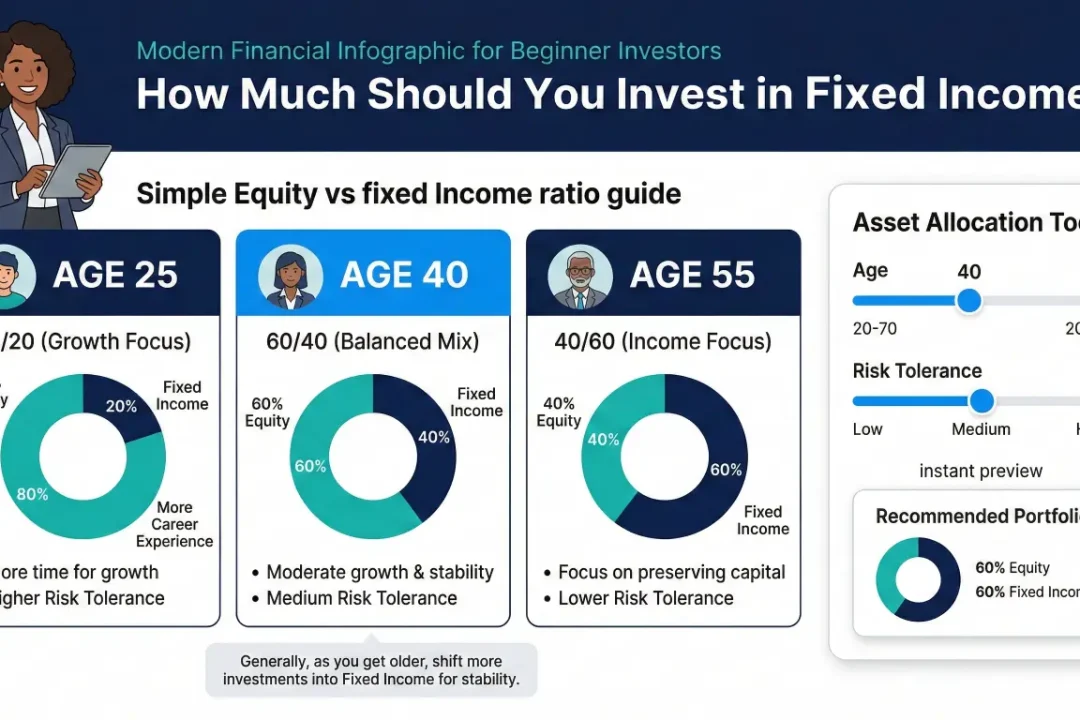
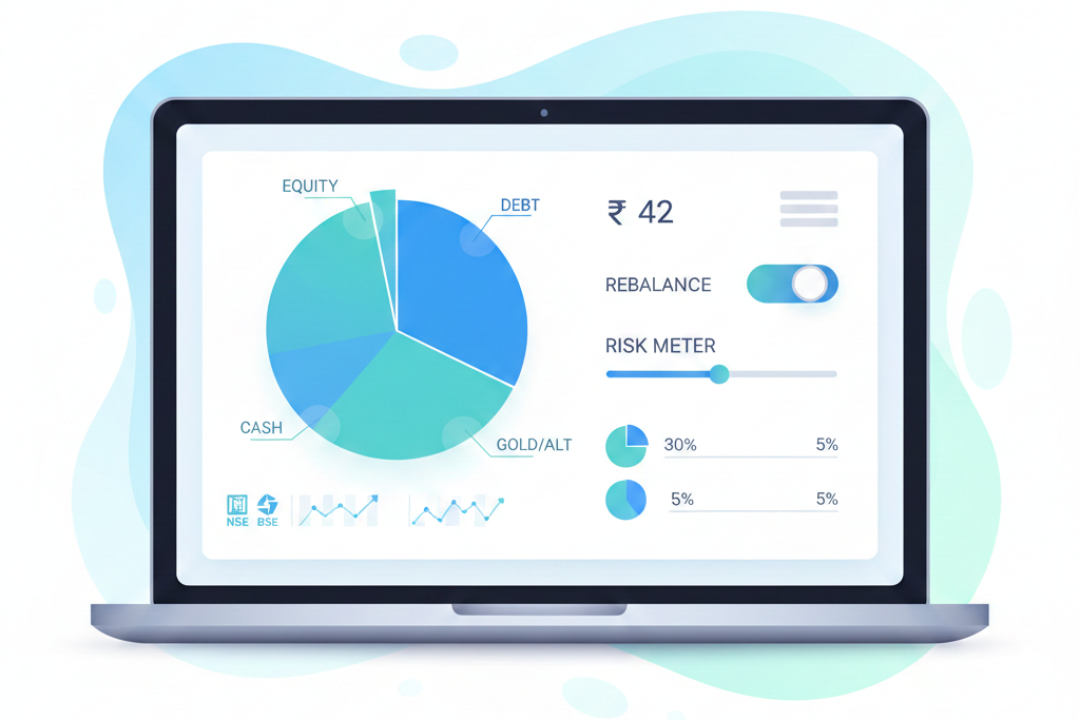
Long-term wealth creation in India has a pattern that keeps repeating: patient investors tend to do better than impatient ones. While short-term market movements can feel chaotic—news-driven spikes, sudden corrections, sector rotations—the long-term trajectory of quality businesses often reflects India’s underlying economic growth, rising consumption, and expanding formal financial system. That’s why many investors resonate with the idea that Long term investing in stock market can never go wrong in india when it’s backed by fundamentals, diversification, and discipline.
In this guide, you’ll learn how the stock market actually “stores” value through different types of assets within equities, what role each asset type plays, and how you can participate sensibly. We’ll also address the risks honestly, because long-term investing works best when you understand what can go wrong and how to reduce the probability of permanent loss. Most importantly, you’ll walk away with a practical framework you can use, whether you’re starting with ₹500₹500 or ₹5,00,000₹5,00,000.
Why long-term investing works in India
India’s stock market is not just a place where prices move—it’s a marketplace for ownership in businesses. When you buy shares, you buy a small slice of a company’s future cash flows. Over long periods, company earnings and economic productivity tend to rise, and stock prices typically track that growth.
A few India-specific factors strengthen the long-term case:
- Demographics and rising middle-class consumption create sustained demand
- Financialization of savings (moving from gold/real estate to mutual funds and equities) supports market participation
- The business ecosystem is expanding: digital payments, logistics, manufacturing, and services keep scaling
- Regulatory improvements and transparency standards have generally strengthened over time
This doesn’t mean every stock becomes a winner. It means that a thoughtful approach to equity investing has historically rewarded patience. In practice, many investors conclude that Long term investing in stock market can never go wrong in india as long as they invest in quality, diversify, and avoid emotional decision-making.
What “assets in stocks” actually means
When people say “assets in stocks,” they’re often mixing two ideas:
- The stock market contains different types of equity instruments you can invest in
- Within a company, the business owns assets (factories, brands, patents, cash) that influence its value
For an investor, the first meaning is more actionable: the stock market offers multiple equity asset types that behave differently in risk, return potential, and volatility. Understanding them helps you build a portfolio aligned with your goals instead of randomly picking names that are trending.
If you internalize this, you’ll see why the statement Long term investing in stock market can never go wrong in india is less of a slogan and more of a strategy—because long-term success comes from choosing the right mix of equity assets and holding them through cycles.
Types of stock market assets (and their roles)
1) Large-cap stocks: stability and compounding
Large-cap companies are typically market leaders with stronger balance sheets, established revenues, and higher resilience during downturns. In India, these are often firms with deep distribution networks, powerful brands, or dominant platforms.
Role in a long-term portfolio:
Large caps often act as a core foundation—slower growth than small caps sometimes, but more predictable compounding and better ability to survive shocks.
Why it matters:
When volatility spikes, large caps tend to fall less (not always, but often). That stability helps long-term investors stay invested, which is a major reason Long term investing in stock market can never go wrong in india can feel true for disciplined portfolios.
2) Mid-cap stocks: growth with manageable risk
Mid-caps often sit in a “sweet spot.” They may have already proven a business model but still have significant room to scale. They can be more volatile than large caps, yet potentially offer higher growth if chosen carefully.
Role in a long-term portfolio:
Mid-caps can boost long-term returns while keeping risk more controlled than a small-cap-heavy approach.
What to watch:
Look for consistent revenue growth, improving margins, responsible management guidance, and sensible debt levels. Over time, well-run mid-caps can graduate into large caps—one reason investors who believe Long term investing in stock market can never go wrong in india often keep a mid-cap allocation.
3) Small-cap stocks: high risk, high potential
Small caps can multiply wealth—but they can also destroy capital if the business fails, governance is weak, or liquidity dries up. In India, small caps can move sharply based on sentiment, operator activity, or a single disappointing quarter.
Role in a long-term portfolio:
Use small caps as a satellite allocation, not the entire strategy. The idea is to participate in upside while protecting the portfolio from blow-ups.
Long-term insight:
Small caps reward research and patience, but they require strict diversification. If you rely only on small caps, you may discover that Long term investing in stock market can never go wrong in india is not automatically true—risk management is what makes it true in practice.
4) Dividend stocks: cash flow and defensive strength
Dividend-paying companies distribute a portion of profits to shareholders. In India, dividend strategies can be useful for investors who prefer a cash-flow component or want a slightly more defensive tilt.
Role in a long-term portfolio:
Dividends can cushion volatility and improve total return, especially when reinvested.
Key point:
Don’t chase yield blindly. A very high dividend yield can sometimes signal poor growth prospects or unsustainable payouts.
A balanced dividend strategy supports the broader belief that Long term investing in stock market can never go wrong in india, because you gain returns from both price appreciation and income over time.
5) Growth stocks vs value stocks: different roads to returns
Growth stocks trade at higher valuations because investors expect strong future earnings.
Value stocks trade at lower valuations relative to fundamentals, often because sentiment is negative or the sector is out of favor.
Role in a long-term portfolio:
A blend helps. Growth can power returns in expansions, while value can protect when optimism fades.
Indian context:
Cycles in India can be sharp—one year a sector leads, the next it lags. Balancing growth and value reduces the need to “predict” the next winner, which helps validate the idea that Long term investing in stock market can never go wrong in india when your portfolio isn’t dependent on one style.
6) Sectoral and thematic stocks: targeted exposure (use carefully)
Sector stocks concentrate exposure to themes like banking, IT, pharma, energy, consumption, manufacturing, defense, or infrastructure. Themes can deliver big returns—but concentration also increases risk.
Role in a long-term portfolio:
Use as a tactical layer, ideally limited in allocation. Your core should still be diversified across sectors.
Rule of thumb:
If you can’t explain the sector’s earnings drivers in two sentences, keep the allocation small. This approach keeps your long-term plan aligned with the principle that Long term investing in stock market can never go wrong in india—because it prevents one theme from derailing years of compounding.
How long-term returns are created in equities
Long-term equity returns typically come from four engines:
- Earnings growth: the company sells more, earns more, expands margins
- Valuation change: the market is willing to pay a higher (or lower) multiple
- Dividends and buybacks: cash returned to shareholders
- Reinvestment: profits reinvested into projects that produce future earnings
As a long-term investor, you focus mostly on the first and fourth. Valuations can swing, but strong businesses that reinvest wisely tend to compound. This is the deeper logic behind Long term investing in stock market can never go wrong in india—not because prices never fall, but because good businesses can recover and grow across years.
The biggest risks (and how to reduce them)
Saying long-term investing “never goes wrong” only holds if you reduce the risks that permanently damage capital. Here are the real ones:
- Concentration risk: holding too few stocks or only one sector
- Business quality risk: weak cash flows, high debt, poor governance
- Valuation risk: buying great companies at extreme prices
- Behavioral risk: panic-selling in crashes or overtrading in rallies
- Time-horizon mismatch: investing equity money that you need within 1–3 years
Practical ways to reduce these risks:
- Diversify across market caps and sectors
- Prefer companies with clean governance and consistent cash flows
- Use SIP-like investing to average entry points
- Rebalance annually to control drift
- Keep an emergency fund so you don’t sell in a downturn
Do this well and you’ll understand why many experienced investors repeat: Long term investing in stock market can never go wrong in india—because they built a system that survives volatility.
A simple long-term portfolio structure (example)
A beginner-friendly structure (illustrative, not financial advice):
- 50%50%–60%60% large-cap / index-oriented exposure
- 20%20%–30%30% mid-cap exposure
- 10%10%–15%15% small-cap exposure
- 0%0%–10%10% sector/thematic bets (optional)
This is not a magic formula, but it’s a sensible starting point. The purpose is to capture India’s growth while managing drawdowns so you can stay invested long enough for compounding to work—which is the real reason Long term investing in stock market can never go wrong in india becomes a practical outcome for many people.
How to learn investing without overpaying
If you’re building knowledge from scratch, you can start with structured education and then practice with small amounts while tracking outcomes. Many beginners look for stock market courses online free with certificate to build foundational understanding, and that can help as long as you also focus on applying concepts like diversification, valuation basics, and risk control.
To stay updated with market basics and avoid misinformation, attending a stock market free webinar can be useful, especially when the instructor explains real examples (financial statements, business models, and common mistakes) rather than only predictions.
If you’re comparing options, you might search for Top 5 Online Stock Market Courses in India and then evaluate them using criteria like syllabus depth, instructor credibility, and whether the course teaches process over tips.
Long-term investing habits that actually work
1) Invest regularly, not randomly
A consistent schedule reduces decision fatigue and helps you avoid timing mistakes.
2) Track business performance, not daily price
Quarterly results, balance sheet strength, and long-term guidance matter more than daily noise.
3) Hold through cycles, but review annually
Long-term doesn’t mean blind holding. Review fundamentals, competitive position, and governance yearly.
4) Avoid “story stocks” with no numbers
In the long run, numbers catch up. Cash flows and profits decide survivability.
5) Keep expectations realistic
Equities can deliver strong long-term returns, but there will be years of flat or negative performance. If you expect that volatility, you’re less likely to make fear-driven exits—another reason Long term investing in stock market can never go wrong in india becomes true for those with discipline.
Conclusion: the disciplined meaning of “never go wrong”
The stock market will test your patience. There will be drawdowns, bad news cycles, and periods when safer assets look more attractive. Yet over long horizons, ownership in productive businesses has historically been among the strongest wealth-building tools available to Indian investors.
So the statement Long term investing in stock market can never go wrong in india is best understood like this: it works when you treat equities as long-term business ownership, diversify across equity asset types, invest regularly, manage risk, and control emotions. Do that, and time becomes your biggest advantage—because compounding doesn’t need perfection, it needs consistency.